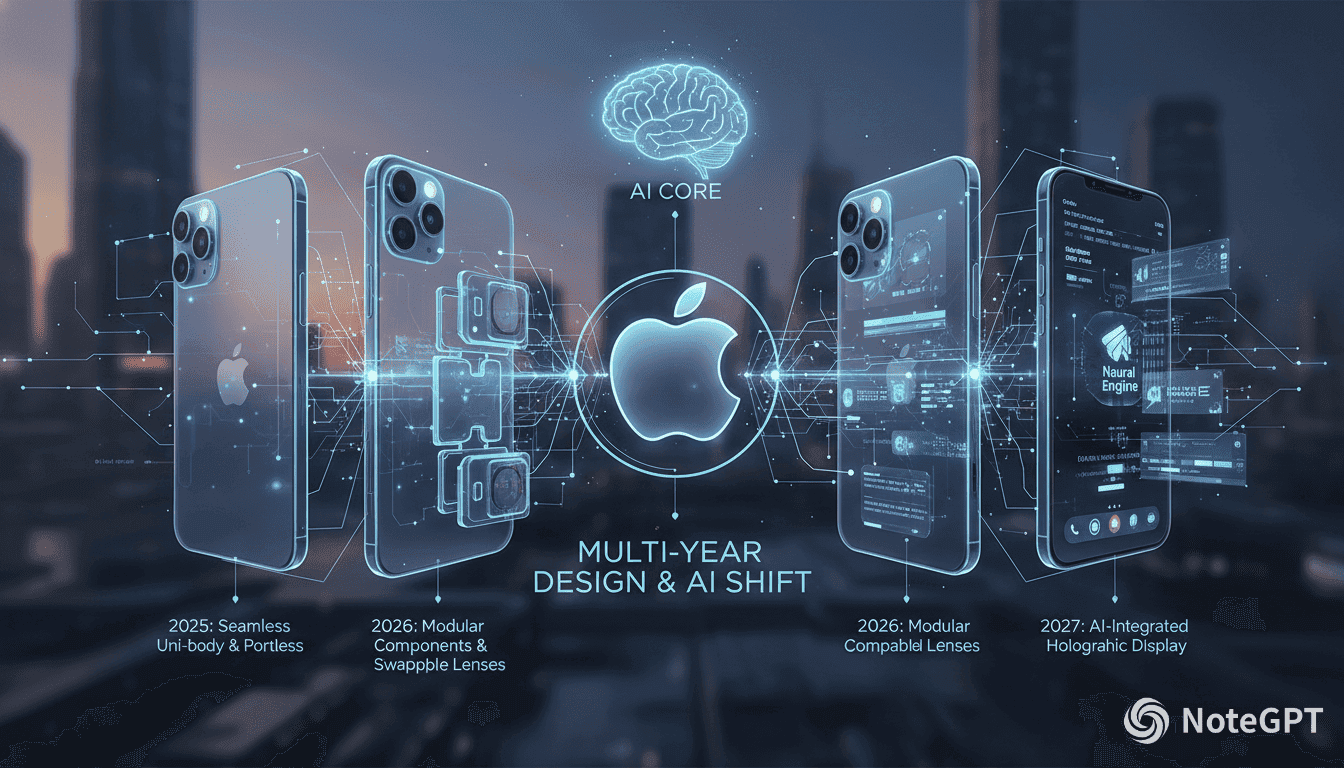

Apple’s iPhone roadmap is once again at the center of tech conversations as signs point to a more deliberate, multi-year evolution of its most important product. Instead of dramatic year-to-year reinvention, Apple appears to be pacing changes across design, hardware, and artificial intelligence. This approach impacts not just consumers but also developers, suppliers, and the broader smartphone market. The roadmap highlights how Apple balances stability with innovation while protecting the iPhone’s massive ecosystem. For users, it suggests meaningful upgrades are coming, just not all at once. For rivals, it reinforces Apple’s long game.
Background & Context
The iPhone has matured into a platform rather than a single product, with over a decade of iterative improvements shaping its identity. In recent years, Apple has focused on refining materials, improving cameras, extending battery life, and deepening integration with services. At the same time, global smartphone growth has slowed, pushing manufacturers to innovate more strategically. Apple’s roadmap reflects this reality, emphasizing sustained relevance over flashy experimentation. The company’s silicon roadmap, operating system updates, and ecosystem lock-in all influence how future iPhones are planned.
Key Facts / What Happened
Apple’s roadmap indicates staggered upgrades across multiple generations of iPhones rather than a single disruptive redesign. Display technology improvements, including efficiency and durability, are expected to roll out gradually. Camera systems are set to benefit from both hardware refinements and computational photography advancements. On the software side, AI capabilities are becoming a core pillar, with more processing handled directly on the device. The roadmap also shows continued differentiation between standard and Pro models, reinforcing tiered pricing and feature segmentation.
Voices & Perspectives
Industry analysts describe Apple’s approach as conservative but calculated. One veteran mobile analyst said, “Apple isn’t chasing trends; it’s reshaping them on its own timeline.” Developers see the roadmap as a signal to prepare for deeper AI integration within apps, especially as on-device intelligence becomes more capable. Long-time iPhone users express mixed reactions, with some welcoming stability while others hope for bolder design changes sooner.
Implications
For consumers, the roadmap suggests longer device lifecycles with fewer must-upgrade moments, which could increase resale value and reduce upgrade fatigue. For Apple, it strengthens control over margins and supply chains while aligning hardware closely with services revenue. Competitors may feel pressure to accelerate visible innovation to stand out against Apple’s steady evolution. The emphasis on AI also raises expectations around privacy-focused intelligence, an area where Apple positions itself differently from cloud-first rivals.
What’s Next / Future Outlook
Looking ahead, Apple’s roadmap hints at more pronounced changes later rather than sooner. Foldable form factors, new materials, or major interface shifts may arrive only after underlying technologies mature. AI is expected to play a larger role in personalisation, photography, and productivity features. Observers will watch how Apple synchronizes iPhone updates with its broader ecosystem, including wearables and spatial computing products.
Pros and Cons
Pros:
- Predictable upgrades improve reliability and long-term support
- Strong focus on on-device AI and privacy
- Clear differentiation between iPhone models
Cons:
- Slower visible innovation may feel incremental
- Premium pricing remains a barrier for many users
- Design changes arrive gradually rather than boldly
OUR TAKE
Apple’s iPhone roadmap reflects confidence rather than complacency. By stretching innovation across years, Apple protects the iPhone’s dominance while preparing it for an AI-centric future. The strategy favors depth over spectacle, even if it tests the patience of users craving dramatic change.
Wrap-Up
As Apple continues to execute its iPhone roadmap, the real story lies in how quietly transformative these changes may be. The next few generations of iPhones are likely to redefine the device’s role, not through radical redesigns, but through intelligence, integration, and long-term vision.