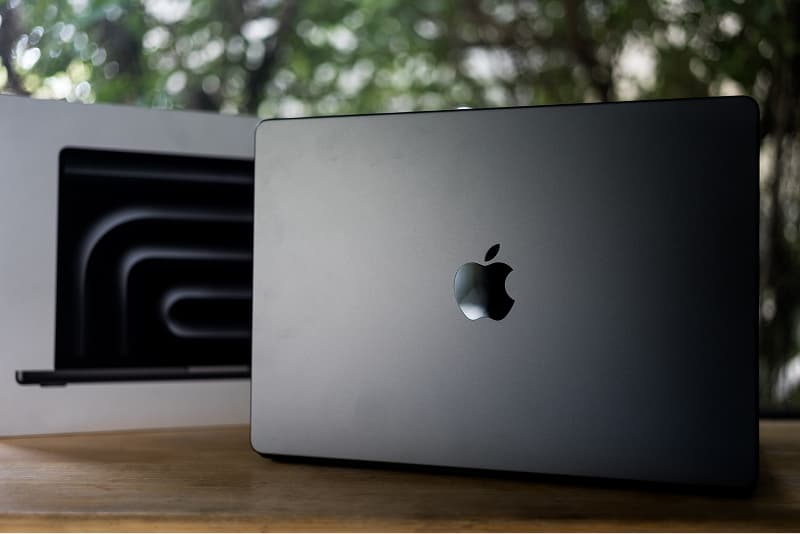

A Subtle Product Exit With Strategic Meaning
Apple has quietly discontinued the MacBook Air powered by the M3 chip, removing it from its official product lineup without a formal announcement. While the change may seem minor on the surface, it reflects a broader shift in how Apple manages hardware lifecycles. For professionals and everyday users alike, the decision reshapes upgrade timing and long-term value expectations.
The MacBook Air’s Evolution From Stable Choice to Rapid Iteration
For years, the MacBook Air stood for stability—a reliable, long-term laptop for students, creators, and working professionals. That changed with Apple Silicon. Since moving away from Intel, Apple has accelerated refresh cycles, releasing M1, M2, and M3-based Air models in quick succession. The Air is no longer just an entry-level Mac; it’s now a fast-moving product aligned closely with Apple’s chip roadmap.
What Happened: The M3 Air Quietly Steps Aside
The MacBook Air M3 is no longer available through Apple’s online store or physical retail locations. Apple has chosen its usual silent approach—no press statement, no public rationale. Remaining units may still be sold by third-party retailers, often at discounted prices, but the model is effectively phased out.
This kind of quiet discontinuation is typical of Apple when it wants to simplify its lineup without drawing attention to overlap.
Understanding the M3 Chip’s Short Run
The M3 chip delivered incremental gains in performance and efficiency, particularly in graphics handling and power management. For professionals working across productivity tools, design software, or light development workloads, the improvements were welcome—but not transformative.
In real-world usage, the M3 Air often felt like a refinement rather than a necessity. For Apple, that made the overlap harder to justify as newer silicon priorities took center stage.
Why This Decision Matters to Modern Users
For buyers, Apple’s move clarifies the company’s direction. The focus is shifting from incremental upgrades to clearer product positioning. Users planning a laptop purchase now face a familiar question: buy a discounted previous-gen device or align with Apple’s forward-looking models.
For professionals, it’s also a reminder that “latest” doesn’t always mean “longest supported”—a growing consideration in tech investment decisions.
A Broader Signal About Hardware Lifecycles
Apple’s decision reflects a wider industry trend: faster innovation cycles and shorter shelf lives for devices. While performance longevity remains strong, official product windows are shrinking. This has implications for resale value, enterprise procurement planning, and sustainability conversations across the tech ecosystem.
The Trade-Offs of Speed and Simplification
Rapid transitions bring clarity—but also friction. Users who recently purchased an M3 Air may question the timing, even though the device remains powerful and capable. Critics also point to environmental concerns, as capable hardware exits lineups faster than before.
Balancing innovation speed with long-term value is becoming a central challenge for the industry.
What Comes Next for the MacBook Air
Looking ahead, Apple is expected to further streamline the MacBook Air range, focusing on clearer differentiation and future-ready workloads—particularly those tied to AI-assisted computing and efficiency-driven performance. The Air’s role may increasingly center on smart optimization rather than raw power jumps.
A Small Change That Reflects a Bigger Shift
The discontinuation of the MacBook Air M3 isn’t about one laptop—it’s about how Apple now thinks about products, timing, and users. Faster cycles, tighter lineups, and clearer bets define the new strategy. For professionals tracking technology as a long-term investment, it’s a development worth paying attention to.