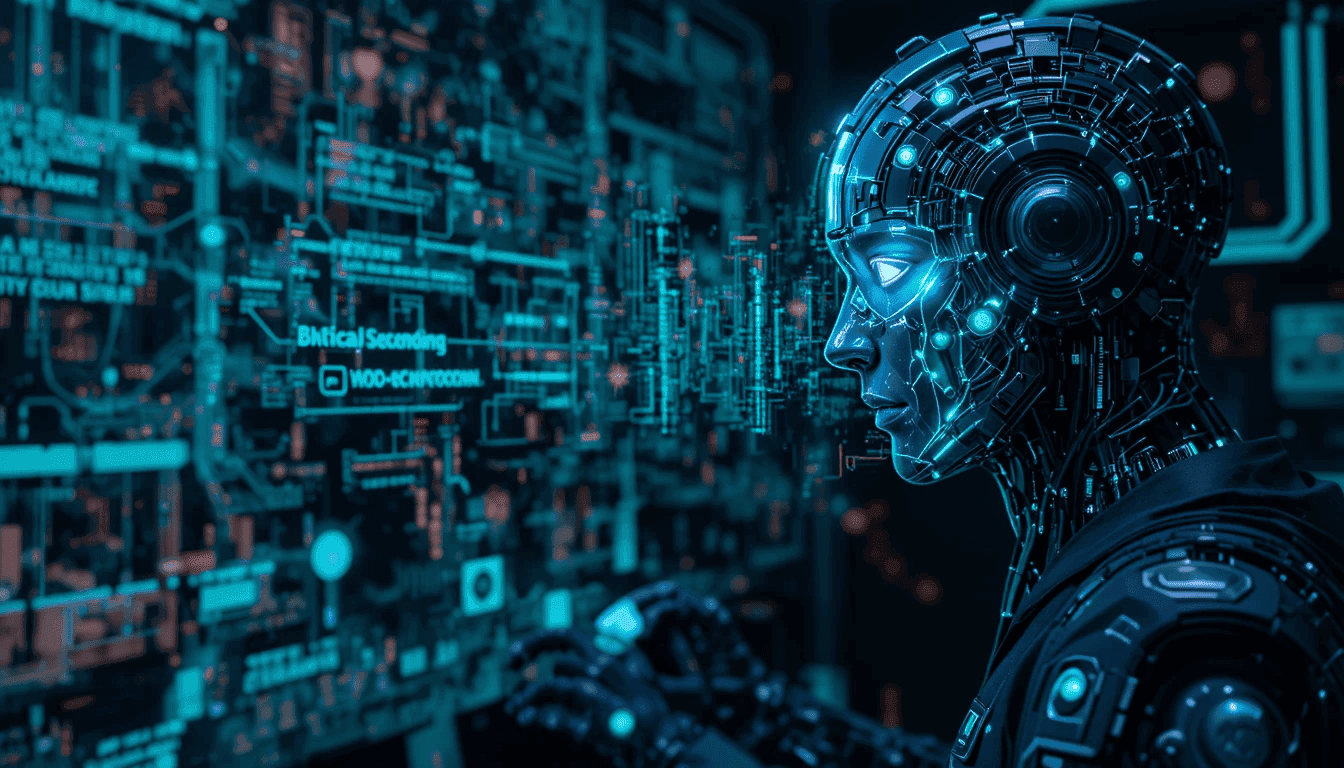

Ethical hacking is entering a new phase as artificial intelligence and automation become deeply embedded in cybersecurity workflows. AI-powered tools are now capable of scanning systems, identifying vulnerabilities, and simulating attacks at a speed and scale previously impossible for human teams alone. This shift matters as cyber threats grow more frequent, sophisticated, and costly across industries. Enterprises, governments, and startups are increasingly relying on AI-assisted ethical hackers to secure digital infrastructure. The result is a faster, more adaptive approach to cybersecurity that redefines how defenses are built and tested.
Background & Context
Traditional ethical hacking relied heavily on manual penetration testing, rule-based scanners, and human expertise to uncover weaknesses. While effective, these methods struggled to keep pace with rapidly changing attack techniques and expanding digital environments. The rise of cloud computing, remote work, and connected devices significantly increased the attack surface. At the same time, advances in machine learning and large-scale data analysis made it possible to automate pattern recognition and anomaly detection. These developments set the stage for AI-driven ethical hacking to move from experimentation into mainstream security practice.
Key Facts / What Happened
AI automation is now being used to continuously scan networks, applications, and endpoints for vulnerabilities. Machine learning models can prioritize risks based on potential impact rather than simple severity scores. Automated penetration testing platforms can simulate thousands of attack scenarios in parallel. AI systems also learn from previous breaches and attack patterns to predict where future weaknesses may emerge. This approach allows security teams to focus on remediation and strategy rather than repetitive manual testing.
Voices & Perspectives
Cybersecurity professionals describe AI-enhanced ethical hacking as a force multiplier rather than a replacement for human expertise. One security architect notes, “AI handles the scale and speed, while humans handle judgment and context.” Analysts highlight that automation reduces alert fatigue by filtering false positives and surfacing actionable insights. Ethical hackers also point out that AI tools help junior professionals ramp up faster by providing guided analysis and recommendations.
Implications
AI-driven ethical hacking has broad implications for organizations and consumers alike. Faster vulnerability detection reduces the window of exposure to cyberattacks. Businesses benefit from lower breach risks and improved compliance with security standards. For the industry, the shift signals a move toward continuous security testing instead of periodic audits. It also raises the bar for attackers, who now face defenses that adapt and learn over time.
What’s Next / Outlook
The next phase of ethical hacking is expected to combine AI automation with real-time threat intelligence and autonomous response systems. Future tools may automatically deploy patches or configuration changes when critical risks are detected. Collaboration between AI systems and human teams will likely deepen, with explainable AI playing a key role in trust and accountability. Regulation and ethical guidelines around AI-driven security testing are also expected to evolve.
Pros and Cons
Pros:
- Faster and more scalable vulnerability detection
- Reduced manual workload for security teams
- Improved prioritization of critical risks
Cons:
- Risk of overreliance on automated outputs
- Potential bias in training data
- Need for skilled oversight to interpret results
Our Take
AI automation is not replacing ethical hackers; it is redefining their role. The combination of machine speed and human judgment creates a more resilient security posture in an increasingly hostile digital landscape. Organizations that adopt AI-enhanced ethical hacking early are likely to gain a lasting defensive advantage.
Wrap-Up
As cyber threats continue to evolve, ethical hacking powered by AI automation is becoming a cornerstone of modern cybersecurity. The focus is shifting from reacting to breaches to anticipating them, marking a decisive step toward smarter, more proactive digital defense.