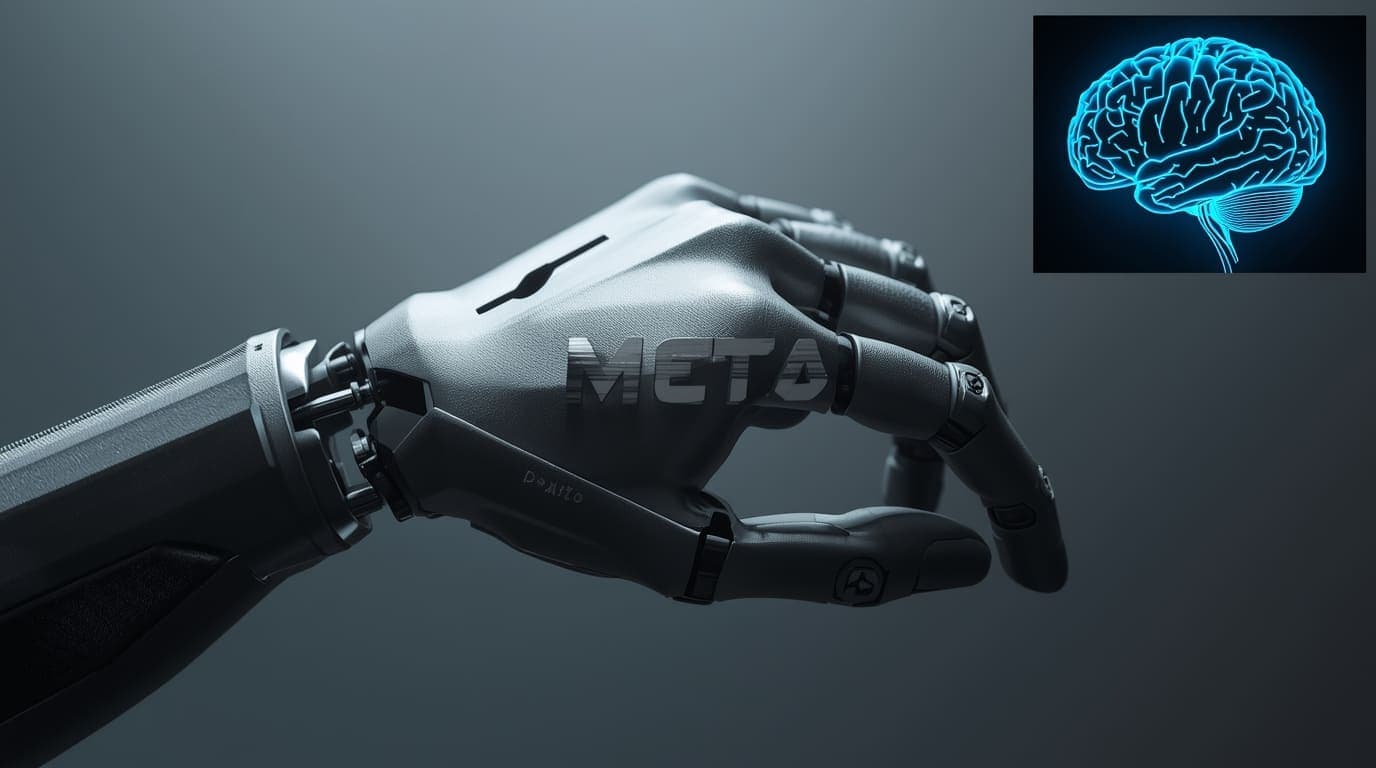

Meta has officially acquired Manus, an emerging AI automation startup known for building intelligent agents capable of executing complex, multi-step tasks with minimal human input. The acquisition marks a significant step in Meta’s long-term vision of creating autonomous AI systems that go beyond chat-based interactions and into real-world digital action.
The move matters because AI agents are fast becoming the next competitive frontier in artificial intelligence. Instead of responding to individual commands, these agents can plan, reason, and complete workflows across tools and platforms. For developers, enterprises, and consumers, Meta’s bet on Manus signals a future where AI acts more like a digital operator than a conversational assistant, reshaping productivity, automation, and software interaction at scale.
Background & Context
Manus was founded with a clear focus on AI task automation and agent orchestration. Its technology centers on systems that can break down objectives into smaller actions, select the right tools, execute tasks, and adapt based on outcomes. This approach aligns closely with the industry’s shift from static AI models toward dynamic, goal-oriented agents.
Meta, meanwhile, has been steadily investing in AI infrastructure, large language models, and developer platforms. From open-weight models to AI tools integrated across messaging, social, and enterprise experiences, the company has positioned itself as a long-term player in applied artificial intelligence. The acquisition of Manus represents a logical extension of this strategy, bringing specialized agent automation expertise directly into Meta’s ecosystem.
Expert Quotes / Voices
A Meta executive familiar with the acquisition stated, “Autonomous agents are the next evolution of AI. Manus brings deep expertise in turning intent into action, which is critical as we move toward AI systems that can operate independently across digital environments.”
An industry analyst specializing in enterprise AI added, “This acquisition is less about short-term features and more about foundational capability. Agent-driven systems will define how businesses interact with software over the next decade, and Meta is clearly positioning early.”
Market / Industry Comparisons
The broader AI market is rapidly pivoting toward agent-based architectures. Competing technology firms are experimenting with AI that can browse interfaces, call APIs, manage files, and coordinate across applications. Unlike traditional chatbots, these systems emphasize execution over conversation.
By acquiring Manus rather than building entirely in-house, Meta accelerates its time-to-market in this space. The move places Meta in direct competition with other major players investing heavily in AI agents for productivity, coding, customer support, and operations. It also highlights a growing trend where startups with focused agent expertise become strategic acquisition targets for platform-scale companies.
Implications & Why It Matters
For businesses, Meta’s acquisition of Manus could translate into more powerful automation tools that reduce manual work and operational overhead. AI agents capable of handling end-to-end workflows may soon assist with content moderation, ad optimization, customer engagement, and internal operations.
For developers, this signals deeper agent frameworks, APIs, and tooling within Meta’s platforms. The integration of Manus technology could enable developers to build AI-driven applications that act autonomously across Meta’s ecosystem. For end users, the impact may be subtler but significant, with AI becoming more proactive, context-aware, and capable of completing tasks without constant prompts.
What’s Next
In the near term, Manus’ team is expected to integrate into Meta’s AI and infrastructure divisions. Product-level changes may initially appear behind the scenes, enhancing internal tooling and experimental agent systems. Over time, these capabilities are likely to surface across consumer-facing products, developer platforms, and enterprise solutions.
Longer term, Meta’s focus on agent-driven AI suggests a future where digital assistants manage complex goals, coordinate across services, and adapt continuously, blurring the line between software and autonomous systems.
Pros and Cons
Pros
- Accelerates Meta’s roadmap for autonomous AI agents
- Strengthens execution-focused AI capabilities
- Positions Meta competitively in next-generation automation
Cons
- Integration complexity across large-scale platforms
- Increased scrutiny around AI autonomy and control
- Potential overlap with existing internal AI initiatives
Our Take
This acquisition underscores Meta’s understanding that the next leap in AI is not smarter conversation, but smarter action. By bringing Manus into its fold, Meta is investing in AI systems that can operate with intent, autonomy, and accountability. If executed well, this move could redefine how users and businesses experience AI across everyday digital workflows.
Wrap-Up
Meta’s acquisition of Manus signals a decisive shift toward an agent-driven AI future, where systems don’t just respond but act. As integration unfolds, the industry will be watching how quickly these autonomous capabilities translate into real-world impact across Meta’s platforms and beyond.