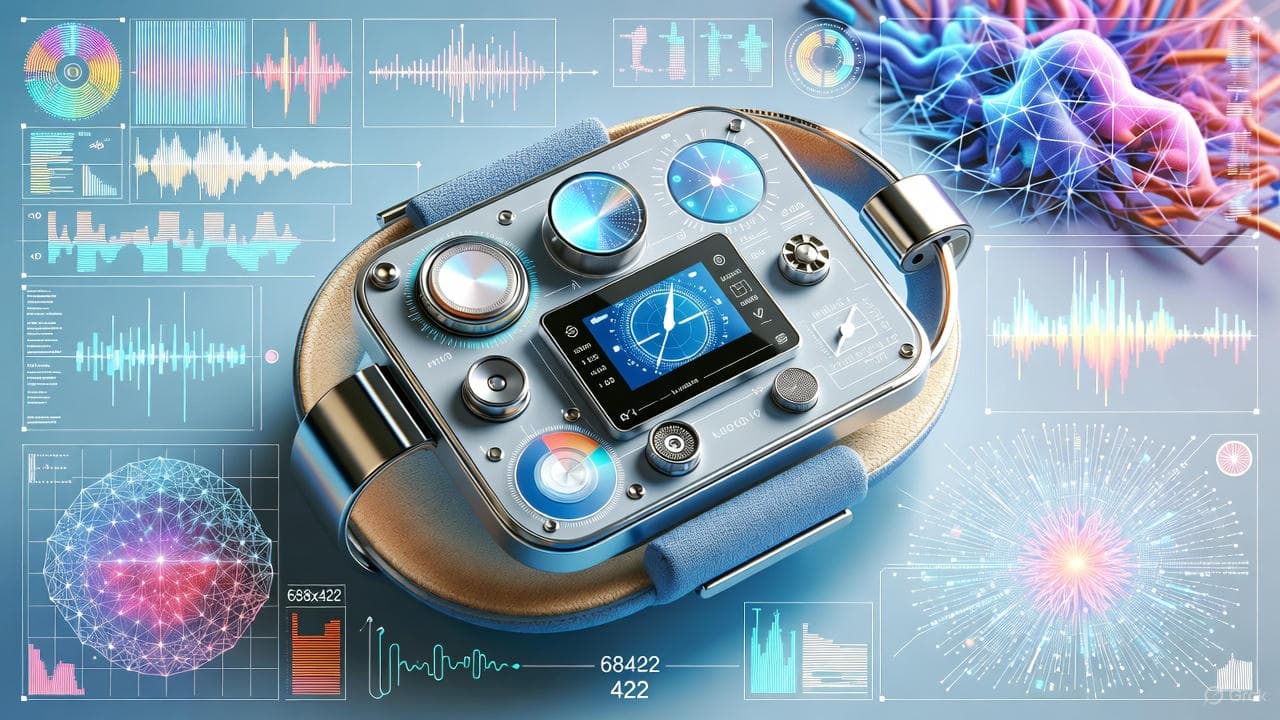

Wearable health technology is entering a new phase as research-driven sensors and next-generation devices push monitoring closer to clinical-grade care. Companies and research institutions are investing heavily in R&D to move beyond fitness tracking toward continuous insights into vital signs and chronic diseases. With several advanced wearables expected to launch over the next few years, the line between consumer gadgets and medical tools is rapidly blurring.
Background: The Shift From Wellness to Medical Insight
Early wearables were designed to encourage activity and track basic metrics like steps and heart rate. However, the global rise in chronic conditions—such as diabetes, cardiovascular disease, and respiratory disorders—has shifted focus toward continuous, real-world health data. Parallel advances in materials science, microelectronics, and data science have made it possible to embed sophisticated sensors into everyday devices.
This convergence has turned wearables into a serious area of medical and technological research.
Key Developments: R&D Fuels the Next Generation
R&D efforts are now centered on advanced biosensors capable of monitoring blood oxygen, heart rhythm, blood pressure trends, hydration, stress biomarkers, and metabolic indicators. Research teams are also working on non-invasive glucose monitoring, long considered a breakthrough for diabetes management.
Industry leaders have indicated that upcoming wearable devices will combine multiple sensors into unified platforms, supported by AI models trained on long-term health data. These systems aim to detect subtle changes that could signal early disease progression, not just acute events.
How the Technology Works
Modern wearables function as continuous sensing platforms. Tiny sensors collect signals such as electrical heart activity, optical blood flow data, and skin temperature. AI algorithms then analyze patterns over time, learning what is “normal” for each user.
Instead of reacting to a single abnormal reading, the system looks for trends—much like how a doctor reviews a patient’s history before making a diagnosis. This approach is especially valuable for chronic conditions that evolve gradually.
Why It Matters: From Patients to Public Health
For patients, advanced wearables can support earlier intervention, better disease management, and more personalized care. For clinicians, they offer access to longitudinal data that was previously unavailable outside hospital settings.
At a system level, widespread adoption could reduce hospital admissions and enable more effective remote care models. Economically, it also opens new markets for medical-grade wearables and data-driven health services.
Challenges and Limitations
Despite rapid progress, challenges remain. Translating R&D breakthroughs into reliable, affordable consumer devices is complex. Accuracy, regulatory approval, and clinical validation are critical hurdles. Data privacy and secure handling of sensitive health information also remain central concerns as wearables collect increasingly detailed biological data.
What’s Coming Next
The next wave of wearable health devices is expected to include flexible, skin-like sensors, longer battery life, and tighter integration with healthcare systems. Some R&D programs are exploring implantable or semi-implantable sensors for continuous monitoring of high-risk patients. Regulatory frameworks are also evolving to define how wearable-generated data can inform clinical decisions.
Conclusion
Wearable health monitoring is being reshaped by sustained R&D and a pipeline of upcoming devices focused on real medical value. As sensors become more sophisticated and insights more actionable, wearables are poised to move from lifestyle accessories to essential tools in preventive and chronic care—making this a space worth watching closely.