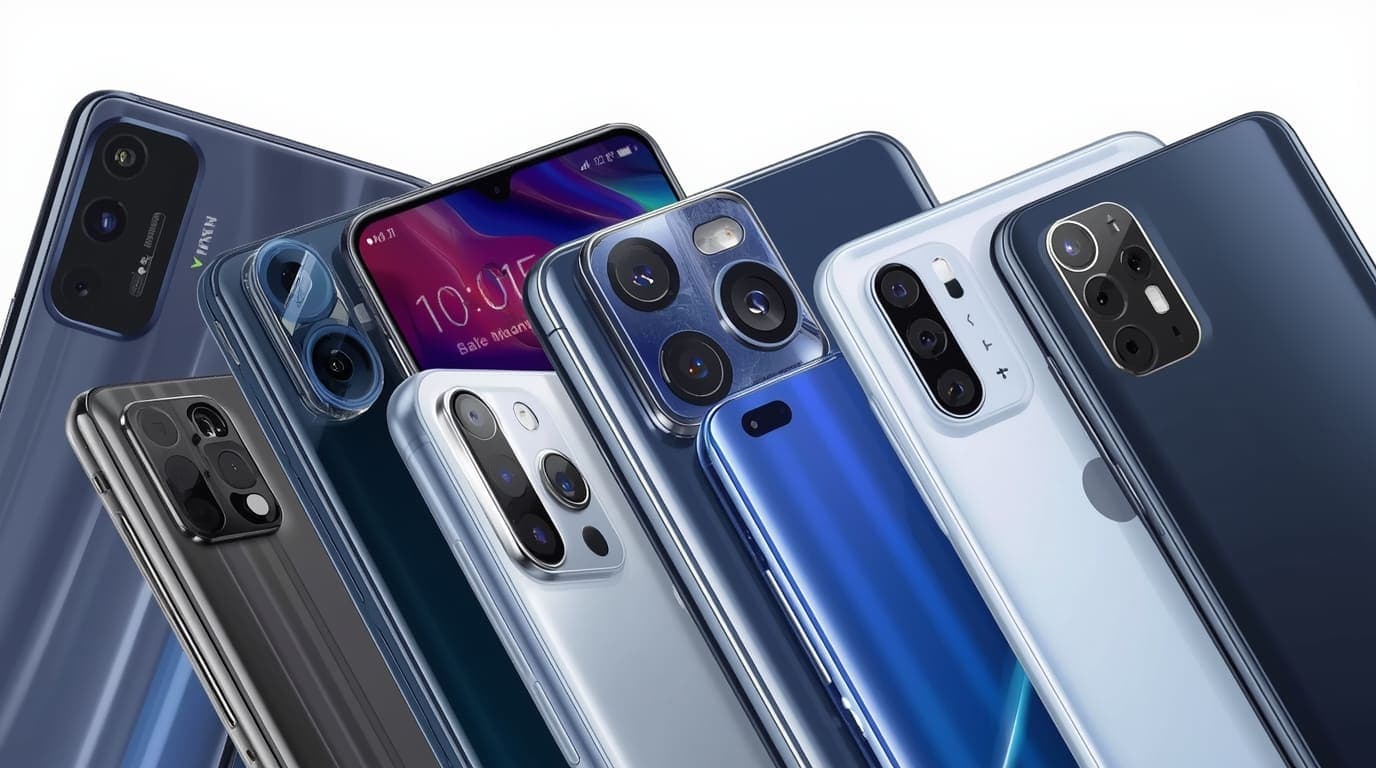

The flagship smartphone lineup for 2026 is shaping up to be one of the most competitive ever, with premium choices spanning Android and iOS ecosystems. Samsung’s Galaxy S26 Ultra aims for unmatched display and camera performance. Apple’s expected iPhone 18 family promises refinements in silicon and photography. Google’s Pixel 11 Pro lineup is focusing on AI enhancements, while Xiaomi’s 17 Pro Max and OnePlus 14 Pro bring strong power and battery life. These devices cater to distinct user priorities, from creative professionals and gamers to everyday multitaskers. Choosing the right option requires understanding core strengths and trade-offs across these 2026 contenders.
Specs & Features
Samsung Galaxy S26 Ultra
The Galaxy S26 Ultra is expected to feature a 6.9-inch Dynamic AMOLED display with ultra-high brightness and advanced adaptive refresh rates. It targets top-tier imaging with a multi-lens camera array, including a 200MP primary sensor and enhanced optical zoom capabilities. With up to 12GB RAM and a large battery capacity, it positions itself as a productivity and media powerhouse.
Apple iPhone 18 Series
Apple’s 2026 iPhone lineup is expected to center on next-generation A-series silicon focused on efficiency, AI acceleration, and sustained performance. Pro models are likely to refine ProMotion displays, camera consistency, and on-device intelligence. Apple continues to prioritize tight hardware-software integration for smooth long-term performance.
Google Pixel 11 Pro
The Pixel 11 Pro series is expected to debut Google’s next-generation Tensor chipset, designed for advanced AI workflows and real-time computational photography. Camera improvements are expected in low-light capture, video stabilization, and intelligent image processing. Clean software and AI-driven features remain central to the Pixel experience.
Xiaomi 17 Pro Max and OnePlus 14 Pro
Xiaomi’s 17 Pro Max focuses on endurance and multimedia, pairing a large AMOLED display with flagship-grade silicon and an oversized battery aimed at long usage cycles. OnePlus 14 Pro emphasizes speed and fluidity, combining high refresh rate displays, fast charging technology, and a streamlined software experience optimized for performance enthusiasts.
Design & UX
Samsung and Xiaomi prioritize immersive displays with minimal bezels and premium materials. Apple maintains a refined, familiar design language focused on ergonomics and durability. Google balances clean aesthetics with functional hardware design, while OnePlus continues its minimalist approach, emphasizing smooth interactions and responsive UI performance.
Performance & Hardware
Performance in 2026 is driven by advancements in mobile silicon and AI acceleration. Apple’s custom chips continue to deliver strong efficiency and consistent performance. Snapdragon-powered Android devices emphasize raw power and gaming capabilities. Google’s Tensor platform prioritizes intelligent task handling. Battery capacities are trending upward, with fast charging becoming a standard expectation.
Price & Availability
Flagship devices in 2026 are expected to remain firmly in the premium price tier. Samsung’s Ultra models, Apple’s Pro variants, and Google’s Pro devices target high-end buyers. Xiaomi and OnePlus aim to offer competitive pricing while retaining flagship-level performance. Launch timelines vary, with staggered releases throughout the year.
What’s Missing / Trade-offs
Premium smartphones often command high prices that limit accessibility. Larger devices may compromise one-handed usability. Some models prioritize camera innovation over battery efficiency, while others trade expandable storage or hardware flexibility for slimmer designs.
Verdict / First Impressions
The 2026 flagship lineup delivers clear choices for different user needs. Samsung excels in display and camera versatility. Apple offers polished performance and ecosystem reliability. Google leads in AI-driven experiences. Xiaomi and OnePlus provide strong alternatives with emphasis on battery life and speed. Buyers should align their choice with personal priorities rather than brand loyalty alone.
Our Take
The 2026 smartphone landscape reflects a mature market focused on refinement rather than radical change. AI, battery efficiency, and sustained performance are becoming more important than raw specifications alone. The best flagship will be the one that delivers consistency over time, not just impressive launch-day numbers.
Wrap-Up
Heading into 2026, flagship smartphones are evolving into intelligent personal devices rather than simple communication tools. With meaningful upgrades across AI, imaging, and endurance, users can expect a competitive year that rewards informed buying decisions.