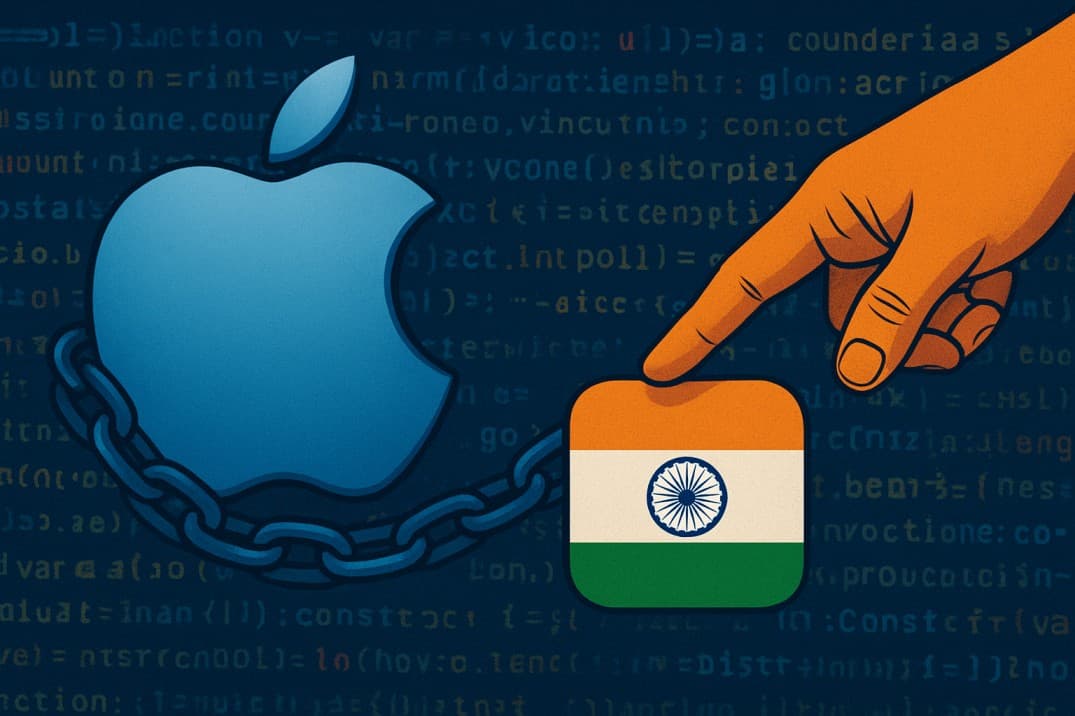

Apple is resisting a directive from the Indian government that seeks the removal of certain apps from the App Store, triggering a fresh debate over digital freedom and regulatory power. The dispute emerged this week and involves ministries overseeing national security and compliance. As India remains one of Apple’s most important growth markets, this clash carries significant industry implications.
Background: Rising Regulatory Pressure
Over the past few years, India has tightened oversight of digital platforms with new IT rules, data-governance frameworks, and national-security compliance mandates. Both domestic and global tech firms have faced growing pressure to adhere to government orders related to content removal, data access, and app restrictions. Apple, known for its strict privacy-centric policies, has previously negotiated similar requests but rarely taken a public stance.
Key Developments: Apple Pushes Back
According to officials familiar with the matter, Indian authorities recently instructed Apple to remove several apps alleged to violate national-security or legal requirements. Apple, however, has challenged the request, citing procedural gaps, overreach concerns, and the need for clearer legal justification.
The company has reportedly sought a formal review and asked the government to provide detailed reasoning behind the directive. Industry experts say Apple’s position aligns with its long-standing global approach—only acting when an order is lawful, targeted, and technically feasible.
Technical Explanation: Why App Removal Isn’t Simple
Removing an app isn’t just a switch flip. App Store policies require due process, developer notification, and verification of legal grounds. Apple typically asks for:
- A legally binding order
- Specific identifiers for targeted apps
- Clear evidence of policy violations
- This ensures decisions don’t compromise user trust or set unintended precedents.
Implications: Industry Tension and User Impact
The confrontation highlights a deeper tension between Big Tech’s global standards and India’s expanding digital-governance agenda.
For users: Potential loss of access to widely used apps if the order is enforced.
For developers: Concerns about platform uncertainty and compliance costs.
For the industry: A fresh flashpoint that could influence how tech companies negotiate government demands in the region.
Challenges & Criticisms
Critics argue that resisting a government order could strain Apple’s relationship with Indian regulators, potentially affecting future negotiations around manufacturing incentives, market expansion, or compliance frameworks. On the other hand, digital-rights groups warn that opaque takedown requests risk enabling censorship or undermining consumer protection.
Future Outlook
Government officials are expected to hold follow-up discussions with Apple as both sides look for a procedural middle ground. Analysts predict the outcome may set a precedent for how app-store governance and national-security directives intersect going forward. With India rapidly becoming a strategic market for Apple’s hardware and services, more such standoffs may emerge.
Conclusion
Apple’s pushback marks a pivotal moment in India’s digital regulatory landscape. As both sides navigate the balance between national security, user privacy, and platform autonomy, the resolution of this dispute could shape future policy and redefine how global tech companies operate in India.