
Apple just delivered one of its strongest performances in years. On January 29, 2026, the company announced fiscal first-quarter results for the period ending December 27, 2025, with total revenue reaching a record $143.8 billion—a 16% increase year-over-year. iPhone sales led the charge, surging 23% to an all-time high of $85.3 billion, driven by what CEO Tim Cook described as "staggering" and "unprecedented" demand. This holiday-quarter beat easily topped analyst expectations and highlighted the enduring appeal of Apple's flagship hardware even as the company navigates AI rollout hurdles.
Background / Context
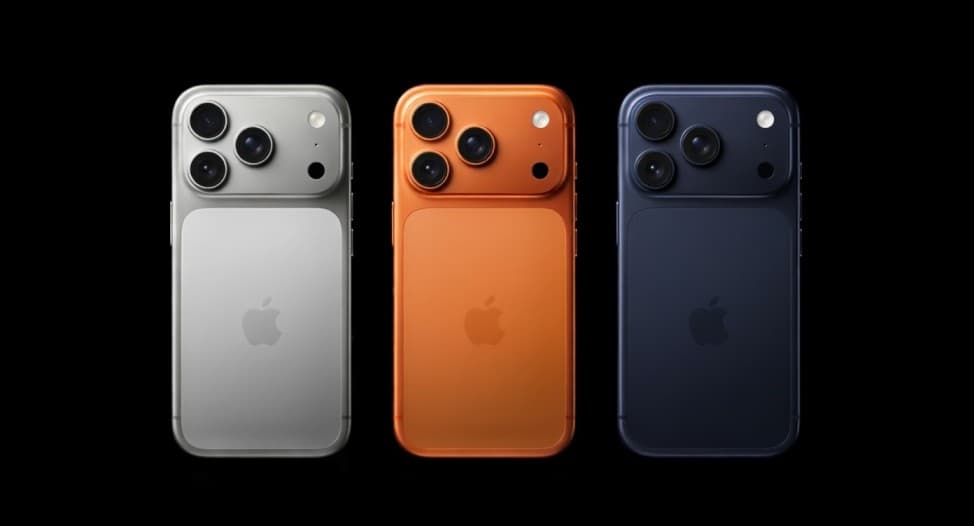
Apple has long relied on the iPhone as its primary revenue engine, but recent years brought challenges: softening demand in key markets like China due to local competition, macroeconomic pressures, and scrutiny over its slower pace in rolling out advanced AI features compared to rivals. The September 2025 launch of the iPhone 17 lineup—including redesigned models like the slim iPhone Air and updated Pro variants with a distinctive raised camera bump—aimed to reinvigorate interest. A free software upgrade introducing a "liquid glass" aesthetic for older devices also helped broaden appeal. These moves came amid investor concerns about AI missteps, including reliance on external partnerships for certain features.
Key Developments / Details
The standout numbers tell the story: total revenue hit $143.8 billion, surpassing Wall Street forecasts around $138 billion. Net income climbed to $42.1 billion, or $2.84 per share (up 16% from the prior year), beating estimates of about $2.67. iPhone revenue alone reached $85.3 billion—a new quarterly record since the device's 2007 debut—accounting for roughly 59-60% of total sales. Services, including Apple Music, iCloud, and other subscriptions, also set a record at around $30 billion, up 14%. Geographically, Greater China saw a remarkable 38% jump to $25.5 billion, reversing recent declines and marking a sales record there, driven by the iPhone 17 and increased Android-to-iOS switching.
Tim Cook emphasized the broad-based strength, noting all-time records across every geographic segment and calling iPhone demand simply "staggering."
Technical Explanation
No deep jargon here—the surge stems from tangible factors: fresh hardware designs that excited holiday buyers, robust seasonal spending, and effective marketing. The iPhone 17's updates focused on aesthetics and user experience rather than revolutionary tech leaps, proving that incremental improvements paired with Apple's ecosystem loyalty can still drive massive uptake.
Implications
This quarter reinforces Apple's position as a hardware powerhouse in an era when many tech giants pivot toward AI narratives. For consumers, it means continued investment in premium devices with strong resale value and ecosystem integration. Investors gain confidence in Apple's pricing power and market resilience, especially with strong cash flow enabling shareholder returns (nearly $32 billion returned this quarter, plus a dividend). The China rebound is particularly significant, signaling Apple's ability to regain footing in the world's largest smartphone market against intense local competition.
Challenges
Despite the glow, caveats exist. Apple is now in "supply chase mode" due to lean inventories after the demand surge, potentially constraining near-term fulfillment. Rising component costs, particularly memory chips, could pressure future margins. Wearables fell short of expectations due to supply issues with products like AirPods. And while iPhone momentum is clear, Apple's AI efforts have faced criticism for being behind competitors, requiring external help in some areas.
Future Outlook
Apple guided for fiscal second-quarter revenue growth of 13-16%, exceeding analyst projections of around 10%. Continued iPhone strength, especially in Asia (including India), plus services expansion could sustain momentum. Upcoming product cycles and any AI advancements will be key to watch, as will how the company manages supply chains and costs.
Conclusion
Apple's latest results prove the iPhone remains a dominant force, delivering record-breaking performance when many expected slowdowns. In a fast-evolving tech landscape, this surge reminds us that exceptional hardware and loyal users can still drive outsized success. It's a development worth tracking as it shapes Apple's trajectory—and the broader industry—for the year ahead.